This post contains affiliate links. If you book through these links, I may earn a small commission at no extra cost to you.
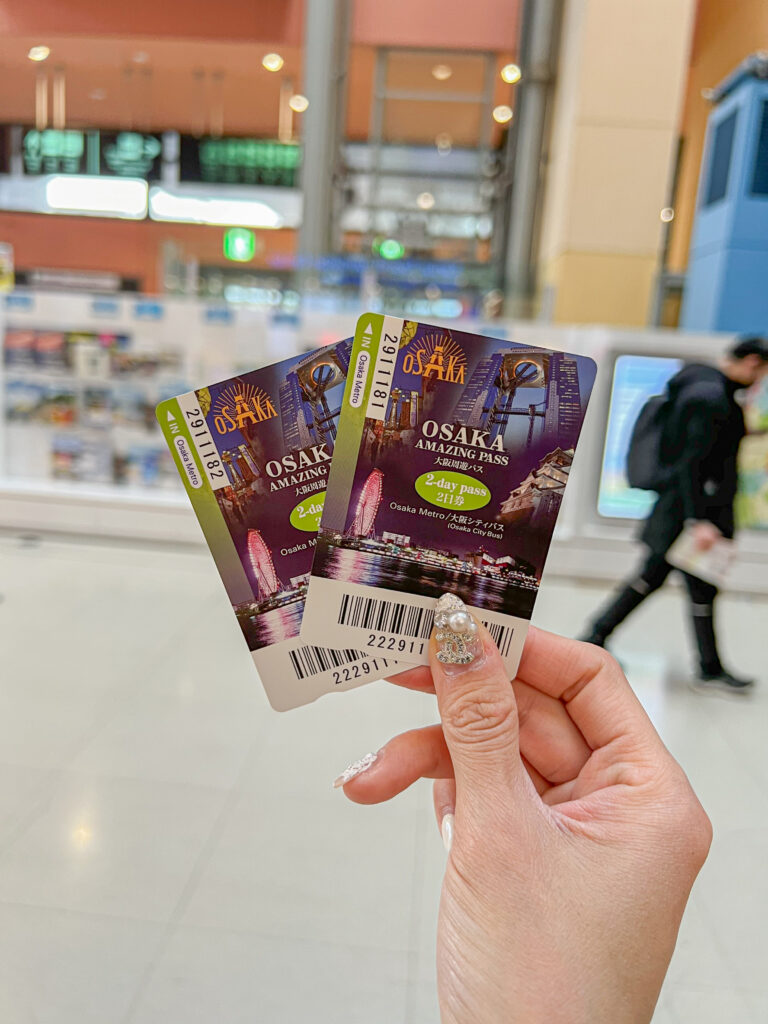
Osaka Amazing Pass : Is It Actually Worth Buying? (Honest Review)
Before you buy the Osaka Amazing Pass, there are a few things you should know that most guides don’t tell you upfront.
The pass has changed significantly in 2026. The physical card is gone — it’s fully digital now. The price has gone up. And there’s one technical tip that can make the difference between a smooth day of sightseeing and a frustrating one at the attraction gates.
The good news: after digging into everything from the full attractions list to honest reviews from people who used it recently, the pass still comes out as one of the best-value things you can buy before arriving in Osaka — if you use it right.
Here’s the complete honest breakdown.
This is for you if…
- ▶ You’re visiting Osaka for 1–2 days and want to see as many attractions as possible without worrying about separate entrance fees
- ▶ You want unlimited subway rides AND free attraction entry in one pass
- ▶ You’re trying to decide between the 1-day and 2-day pass
- ▶ You’ve heard about the digital ticket change and want to know exactly how it works
- ▶ You want to know which attractions are actually worth prioritizing with the pass
Table of Contents
- What is the Osaka Amazing Pass?
- What’s included — transport and attractions
- 1-day vs 2-day — which should you get?
- How the digital pass works (and the one tip that matters)
- Is the pass actually worth the price?
- Which attractions are worth prioritizing?
- How to book on Klook
- FAQ
- Honest tips before you use it
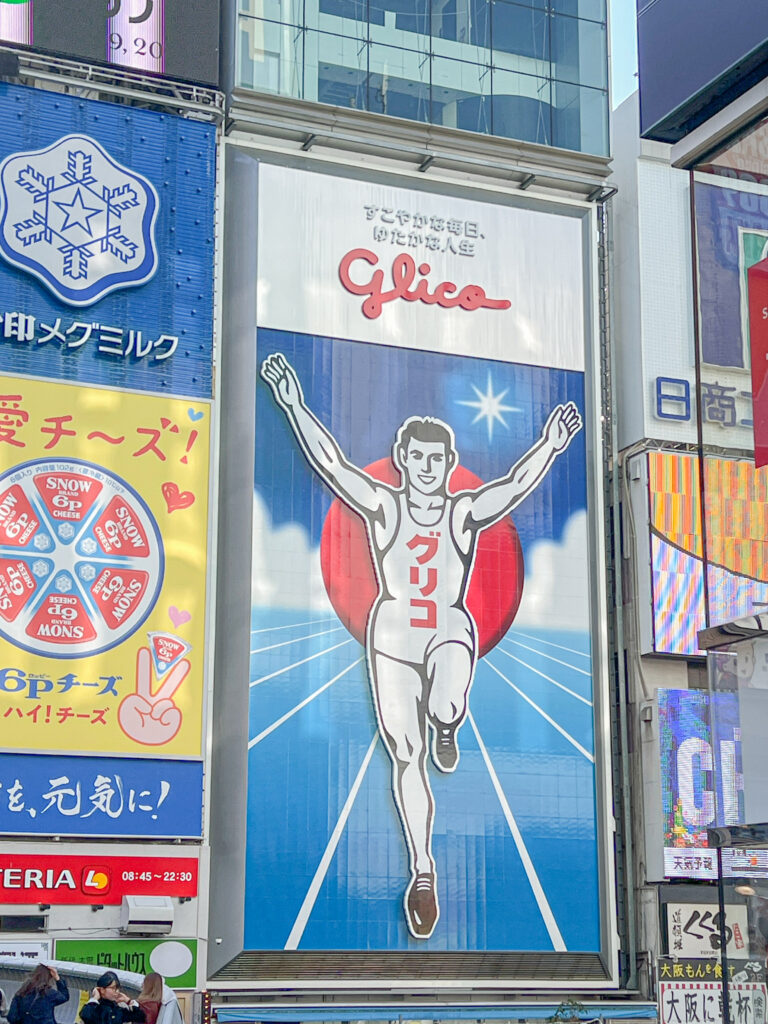
1. What Is the Osaka Amazing Pass?
The Osaka Amazing Pass is an all-in-one pass that bundles two things:
- Unlimited transport — Osaka Metro, city buses, New Tram, and select private railways (Hankyu, Hanshin, Keihan, Kintetsu, Nankai within Osaka City limits)
- Free entry to 40+ attractions across the city — castles, observation decks, river cruises, towers, museums, and more
It’s available in 1-day (¥3,500) and 2-day formats, and as of 2026 it’s fully digital — QR code only. The physical card version is gone.
The pass also comes with discount coupons at approximately 50 shops and restaurants in Osaka — extra value on top of the transport and attractions.
👉 Check current prices on Klook
2. What’s Included — Transport and Attractions
Transport covered:
- All Osaka Metro lines (Midosuji, Tanimachi, Yotsubashi, Chuo, Sennichimae, Sakaisuji, Nagahori Tsurumi-ryokuchi, Imazatosuji)
- Osaka City Buses
- New Tram
- Select private railways within Osaka City limits
Important transport note: Coverage applies within Osaka City only. If you take a Nankai train toward Kansai Airport, or head toward Kyoto or Kobe, you pay separately for those portions. Express reserved-seat trains also require a supplemental limited express ticket.
Key attractions included (40+):
| Area | Highlights |
|---|---|
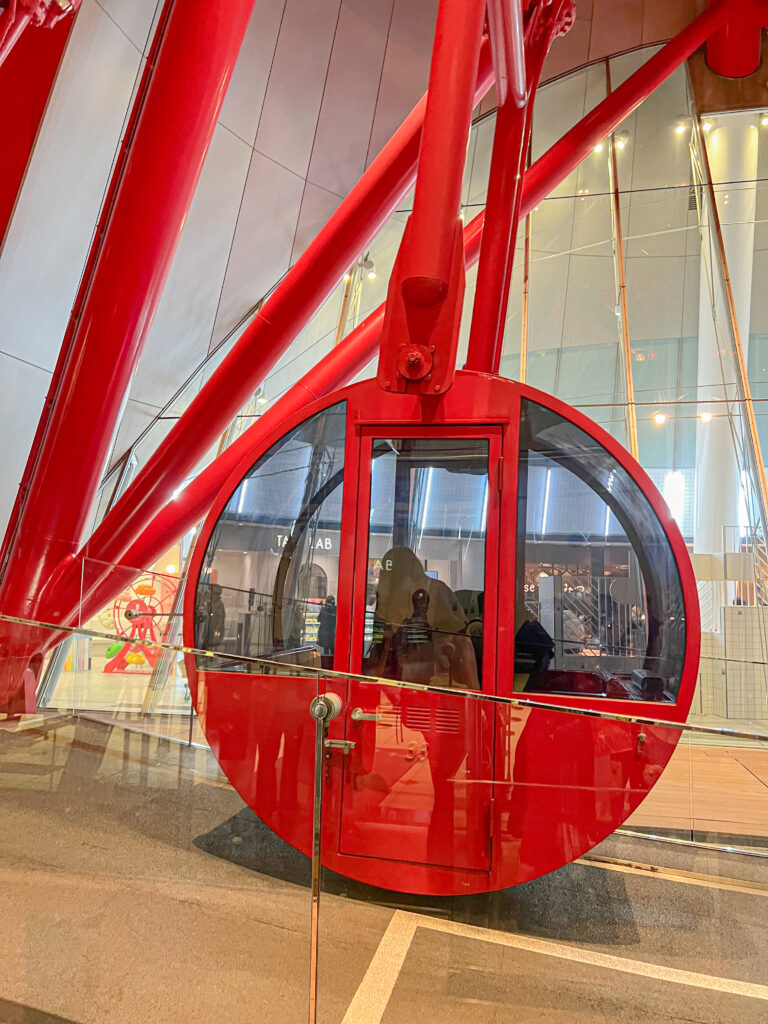
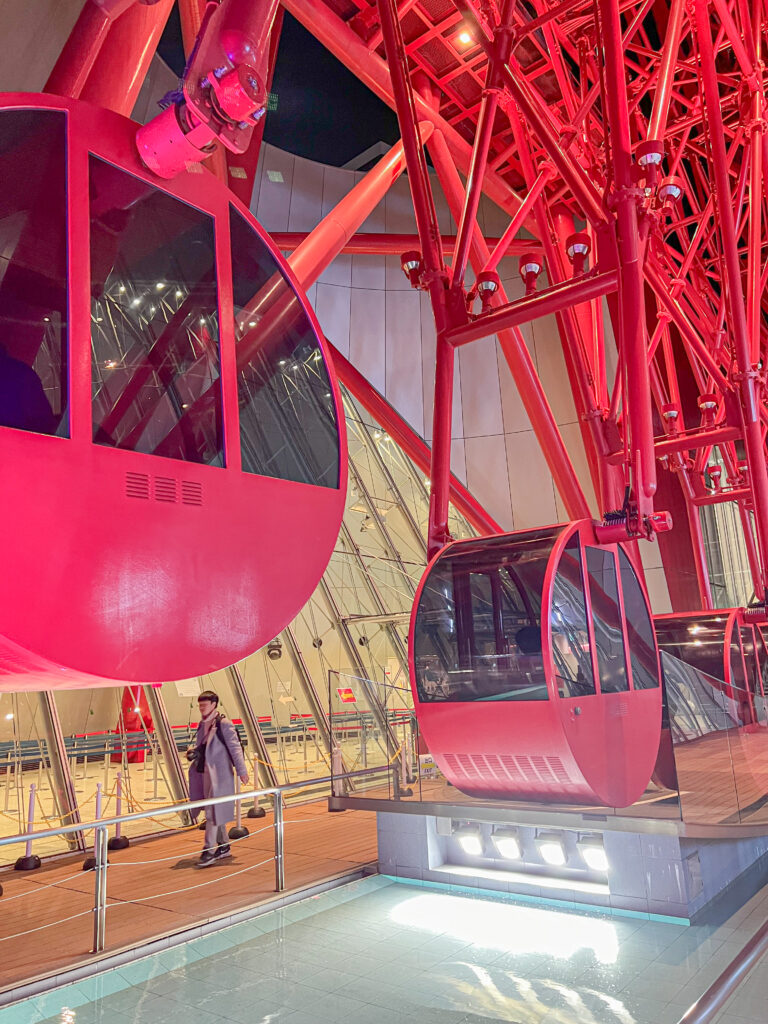
| Umeda/Kita | Umeda Sky Building Observatory, HEP Five Ferris Wheel |
| Dotonbori | Tombori River Cruise, Wonder Cruise |
| Tennoji | Tsutenkaku Tower, Tower Slider, Osaka Tennoji Zoo |
| Osaka Castle | Osaka Castle Museum, Nishinomaru Garden, Gozabune Boat, Aqua-Liner cruise |
| Tempozan | Tempozan Giant Ferris Wheel, Santa Maria cruise, LEGOLAND Discovery Center |
| Museums | Museum of Housing and Living, National Museum of Art, Peace Osaka |
Each attraction can be entered once per day of pass validity.
Note: Universal Studios Japan is NOT included.
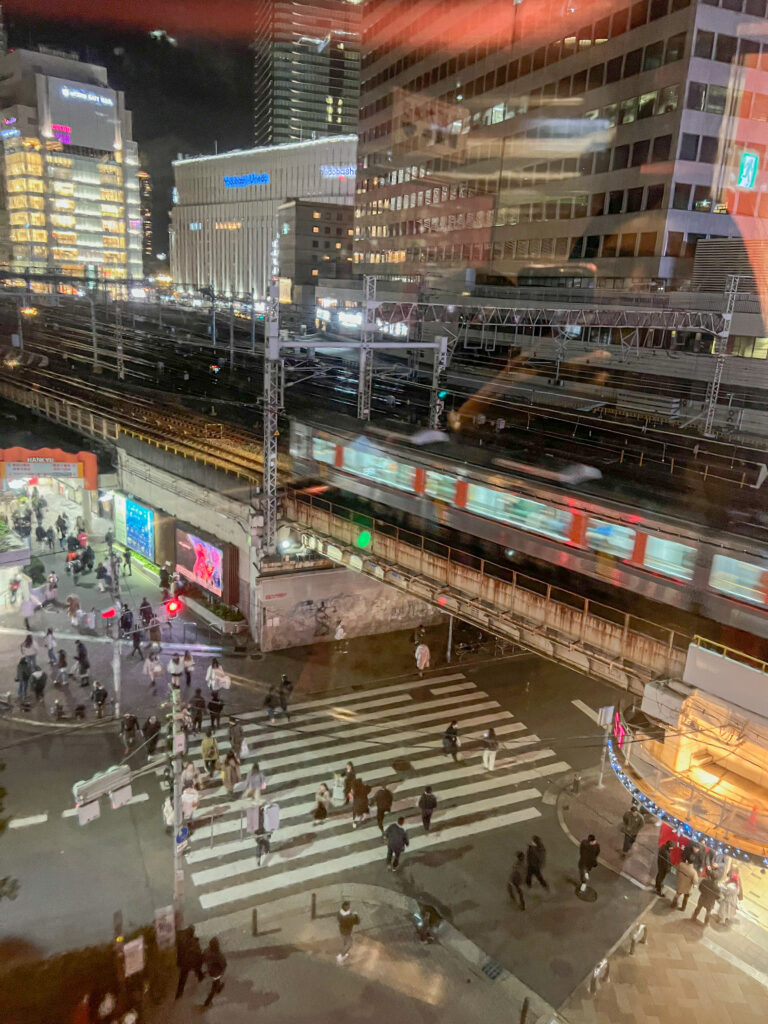
3. 1-Day vs 2-Day — Which Should You Get?
This is the most common question and the answer is straightforward.
Get the 1-day pass if:
- You have only one day in Osaka
- You’re doing a day trip from Kyoto or Kobe
- You want to focus on a concentrated set of attractions in one area
Get the 2-day pass if:
- You’re spending 2+ days in Osaka
- You want to spread out the attractions without rushing
- You’re planning to cover both the northern (Umeda) and southern (Tennoji, Tempozan) parts of the city
Important: The 2-day pass must be used on consecutive calendar days — not 2 separate days scattered through your trip. Activate it on the first morning you want to use it.
One honest note from multiple reviewers: don’t try to cram in every attraction. Three to four attractions per day is a comfortable pace — and that’s already enough to make the pass pay for itself many times over.
👉 Compare 1-day and 2-day pass prices on Klook
4. How the Digital Pass Works (And the One Tip That Matters)
Since June 2024, the Osaka Amazing Pass is fully digital — QR code only.
How it works:
- Buy on Klook → voucher goes to your phone
- At subway gates: scan the QR code at gates that accept QR codes
- At attractions: show your QR code and staff scan it for entry
- ⚠️ Do NOT activate the pass until you arrive in Osaka and are ready to use it — it’s valid for 90 days from purchase but the clock starts on activation
The one tip that matters:
Download the Klook app before you go and access your pass from there — not from the email link. Multiple reviewers specifically call this out as making the day significantly smoother. The app interface is easier to navigate at attraction gates than the email voucher, and you’re less likely to lose it.
The technical issue to know about:
A small number of reviews mention error messages at attraction gates — “An unexpected error has occurred.” If this happens, make sure you have a stable internet connection — the digital pass requires connectivity to function. This is the main downside of the fully digital format. Keep your data on and make sure your battery is charged.
5. Is the Pass Actually Worth the Price?
Let’s do the math on a typical Osaka sightseeing day.
Example: One day in Osaka without the pass
| Activity | Cost |
|---|---|
| Osaka Castle Museum | ¥600 |
| Umeda Sky Building observation deck | ¥1,500 |
| Tombori River Cruise | ¥1,200 |
| Subway fares (4 rides) | ¥800 |
| Total | ¥4,100 |
The 1-day Osaka Amazing Pass costs ¥3,500.
You’ve already saved ¥600 with just three attractions and four subway rides — and there are still 40+ more attractions on the list.
The math works. The pass pays for itself before lunch on a normal sightseeing day, and everything after that is essentially free.
6. Which Attractions Are Worth Prioritizing?
With 40+ options, here’s where to focus for maximum value:
High-value must-dos:
Umeda Sky Building (¥1,500 entry) — One of Osaka’s most spectacular viewpoints. The Floating Garden Observatory has a 360-degree open-air rooftop that’s genuinely impressive. Time it for sunset.
Osaka Castle Museum (¥600) + Gozabune Boat cruise — The castle is iconic and the boat cruise through the castle park moat is a unique perspective on the grounds. Both included.
Tombori River Cruise (¥1,200) — Seeing Dotonbori from the water at night is completely different from seeing it from the bridges. One of the most underrated things to do in Osaka.
Tsutenkaku Tower + Tower Slider (¥1,000+) — The retro tower in Shinsekai with a slide that goes down the outside. The Shinsekai neighborhood itself is worth the visit.
Tempozan Giant Ferris Wheel — Views over Osaka Bay. Less crowded than the city-center attractions and a completely different perspective of the city.
Good add-ons depending on interests:
- LEGOLAND Discovery Center (families)
- HEP Five Ferris Wheel (Umeda area, convenient)
- Santa Maria cruise (Tempozan area, daytime)
- Tennoji Zoo (if traveling with kids)
7. How to Book on Klook
Buying on Klook is the recommended approach — the Klook app makes the digital pass easier to use at attraction gates.
Key things to know when booking:
- Up to 4 tickets can be purchased per transaction
- Tickets can be transferred to someone else
- Valid for 90 days from purchase — don’t buy too far in advance
- Do NOT activate until you arrive in Osaka and are ready to start
- Requires smartphone with internet connection to use
👉 Buy the Osaka Amazing Pass on Klook
FAQ
Q. Is the Osaka Amazing Pass worth it in 2026? A. Yes — if you’re doing an active sightseeing day with 3+ attractions and using the subway to get around, the pass pays for itself before lunch. The price has increased but the value is still there for anyone who plans their day around it.
Q. Does the Osaka Amazing Pass include USJ? A. No — Universal Studios Japan is not included. The pass covers city attractions like Osaka Castle, Umeda Sky Building, Tsutenkaku Tower, and river cruises.
Q. Does JR Pass cover the Osaka subway? A. No — the JR Pass does not cover Osaka Metro. They’re separate systems. The Osaka Amazing Pass covers Osaka Metro; the JR Pass covers JR lines. Most Osaka sightseeing uses the Metro.
Q. What happens if the QR code doesn’t scan at an attraction? A. Check your internet connection first — the digital pass requires data. If it still doesn’t work, ask the attraction staff for assistance. This is the most common issue reported with the digital format.
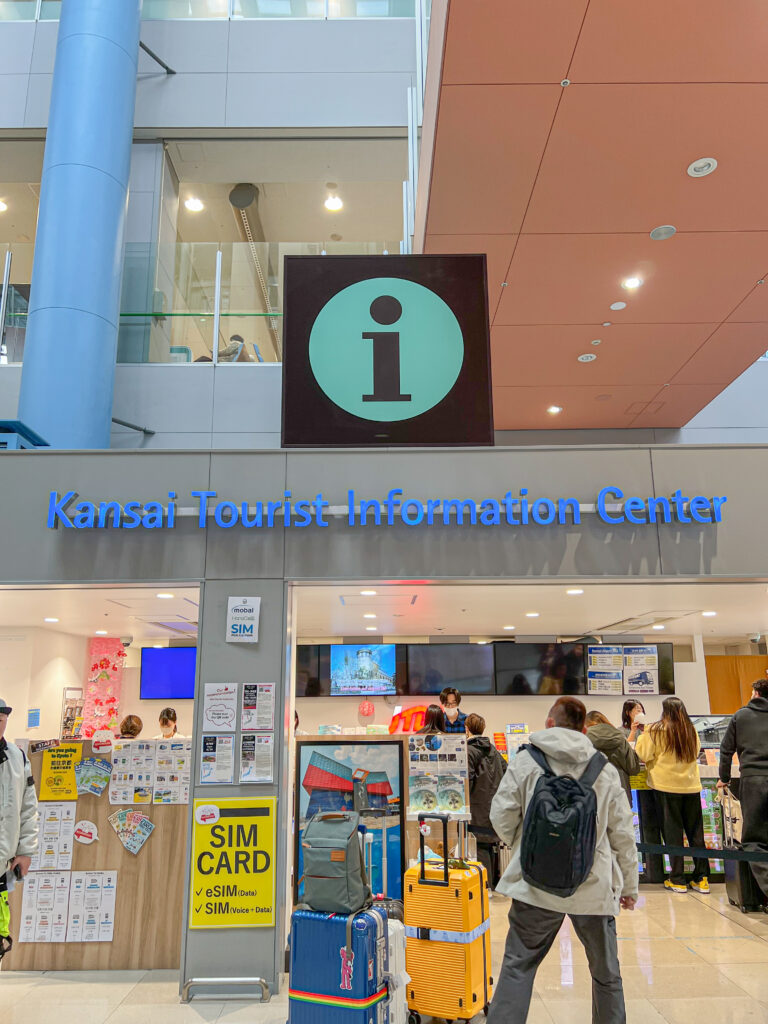
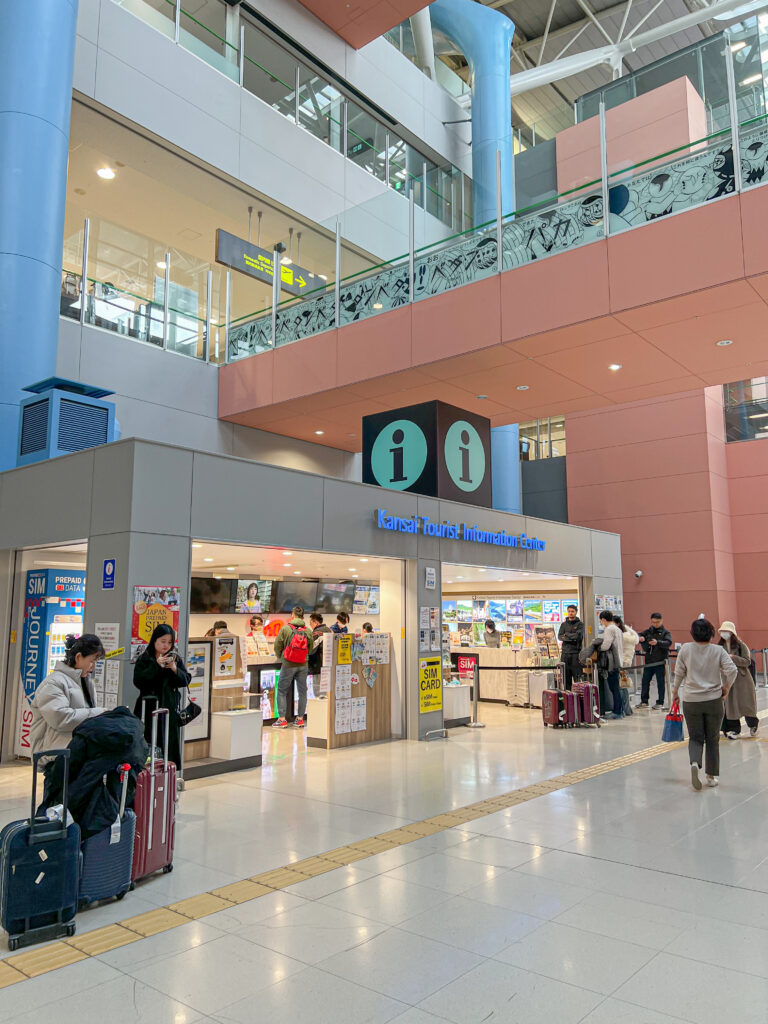
Q. Can I use the pass on the day I arrive at Kansai Airport? A. The pass covers Osaka Metro but not the Nankai line from KIX to Namba. Take the Rapi:t or Airport Express separately, then activate your pass once you’re in Osaka.
Q. What’s the difference between the Osaka Amazing Pass and the Osaka e-Pass? A. The Amazing Pass includes unlimited transport + 40+ free attractions. The e-Pass is attractions-only (no transport) at roughly half the price. If you’ll be taking the subway frequently, the Amazing Pass is better value. If you’re staying in one area and walking everywhere, the e-Pass might make more sense.
✨ Honest Tips Before You Use It
▶ Download the Klook app before you go. Access your pass from the app, not the email link. It’s genuinely easier at attraction gates and less likely to cause issues.
▶ Do NOT activate the pass until you’re ready to start your day. The validity clock runs from activation, not from purchase. Activate at the subway gate the morning you’re using it.
▶ Keep your phone charged. The pass requires internet connectivity. Bring a portable charger — a day of Osaka sightseeing will drain your battery.
▶ Plan 3–4 attractions per day, not 10. You won’t get through everything, and rushing through attractions misses the point. Pick the high-value ones first and let the day develop from there.
▶ Time the Umeda Sky Building for sunset. The open-air rooftop at golden hour is one of the best views in Osaka. Note that time restrictions apply for entry — check the current hours when you plan your day.
▶ The Tombori River Cruise is best at night. The Dotonbori neon signs reflected on the water at night are completely different from the daytime cruise. If you can do one, do the evening one.
▶ Check if any attractions require advance reservations. Some of the included spots need to be booked ahead — check the official website for anything you’re specifically planning to visit.
Ready to make the most of Osaka?
👉 Buy the Osaka Amazing Pass on Klook — check current prices here
Hope this helped you plan your Osaka trip!
If this post was useful, feel free to save or share it. 🙏
See you in Osaka, Aeri ✈️