This post contains affiliate links. If you book through these links, I may earn a small commission at no extra cost to you.
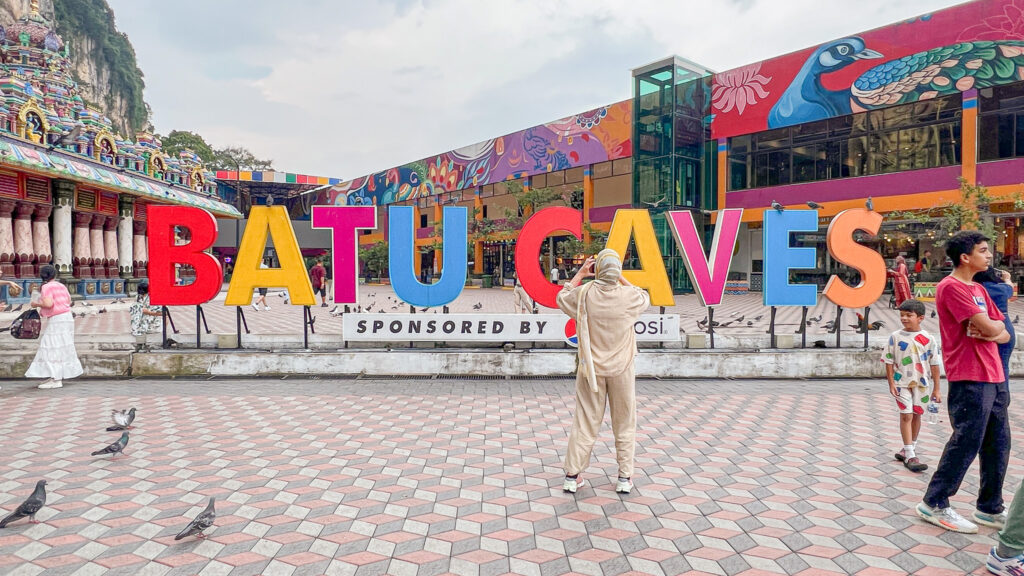
Batu Caves & KL Suburbs Day Tour: Is It Actually Worth Booking?
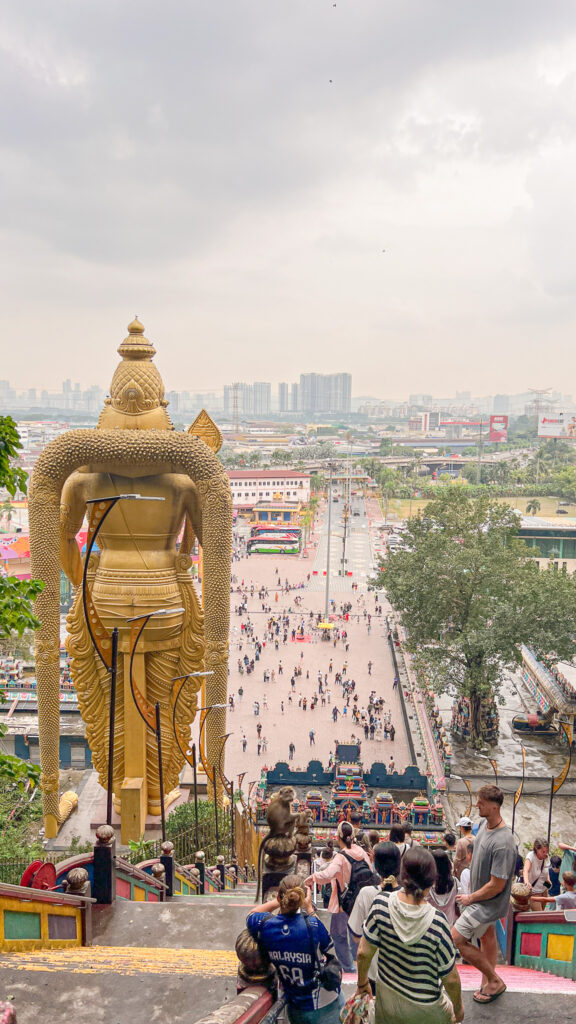
There’s a 42.7-meter golden statue of Lord Murugan standing at the entrance of Batu Caves.
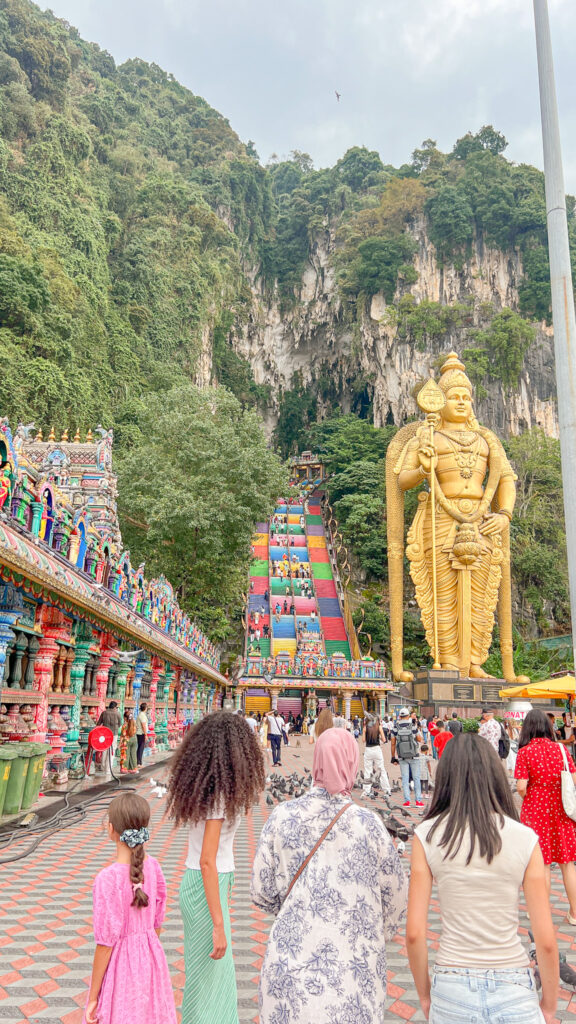
It’s the tallest statue of the deity in the world. Behind it, 272 rainbow-colored steps lead up into a dramatic limestone cave that’s been a sacred Hindu shrine for over 130 years.
And it’s 13 kilometers from Kuala Lumpur city center.
The Batu Caves & KL Suburbs Day Tour on Klook combines this iconic landmark with a tour of KL’s key city sites and cultural stops — giving you context for both the caves and the city in a single organized day.
After going through everything from the itinerary to honest reviews, here’s what you need to know before you book.
This is for you if…
- ▶ It’s your first time in Kuala Lumpur and you want to cover the main highlights efficiently
- ▶ You’ve seen photos of Batu Caves and want to know if it lives up to the hype
- ▶ You want hotel pickup and an organized itinerary so you don’t have to figure out transport
- ▶ You’re curious about the pewter factory and batik stops and whether they’re worth the time
- ▶ You want honest information about the 272 steps before you commit to climbing them
Table of Contents
- What is the Batu Caves KL Suburbs Day Tour?
- Batu Caves — what’s it actually like?
- The 272 steps — what you need to know before you go
- Cultural stops — pewter factory, batik, city landmarks
- What’s the honest verdict on the tour format?
- How to book + what to know
- FAQ
- Honest tips before you go
1. What Is the Batu Caves KL Suburbs Day Tour?
This is a full-day guided tour departing from your hotel in Kuala Lumpur, covering Batu Caves and a selection of KL’s cultural and city landmarks.
What’s included:
- Hotel pickup and drop-off in an air-conditioned vehicle
- English-speaking guide
- Visit to Batu Caves (Cathedral Cave and surrounding area)
- Royal Selangor Pewter factory visit
- Batik factory visit
- City landmark drive-bys and stops — King’s Palace, National Monument, National Mosque, Old Railway Station, Independence Square, KL Tower, Petronas Twin Towers
What’s NOT included:
- Entrance fees to specific attractions (bring MYR cash)
- Food and drinks
- Personal shopping at factory stops
The tour is designed as a comprehensive first-day or first-time-in-KL experience — giving you both the natural and cultural highlights of the greater KL area in one organized day.
👉 Check current prices and availability on Klook
2. Batu Caves — What’s It Actually Like?
The short version: yes, it lives up to the photos.
Batu Caves is a series of limestone caves and cave temples in the Titiwangsa Mountains — the main Cathedral Cave being the largest and most visited. The site has been a sacred Hindu shrine since the late 19th century and is now one of the most popular tourist attractions in Malaysia.
What you’ll see:
The Lord Murugan Statue — 42.7 meters tall, gilded in gold paint, standing at the base of the stairs. It’s the first thing you see and it’s genuinely impressive in person.
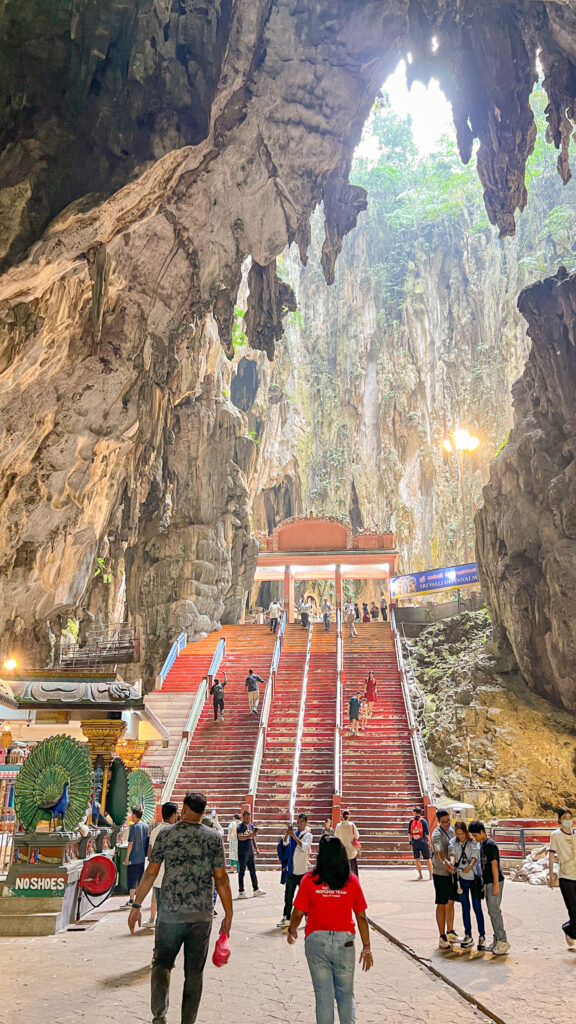
The 272 steps — Rainbow-colored stairs leading up to Cathedral Cave. The climb takes 10–20 minutes depending on pace. At the top, you enter a dramatic open cave with natural light filtering from above.
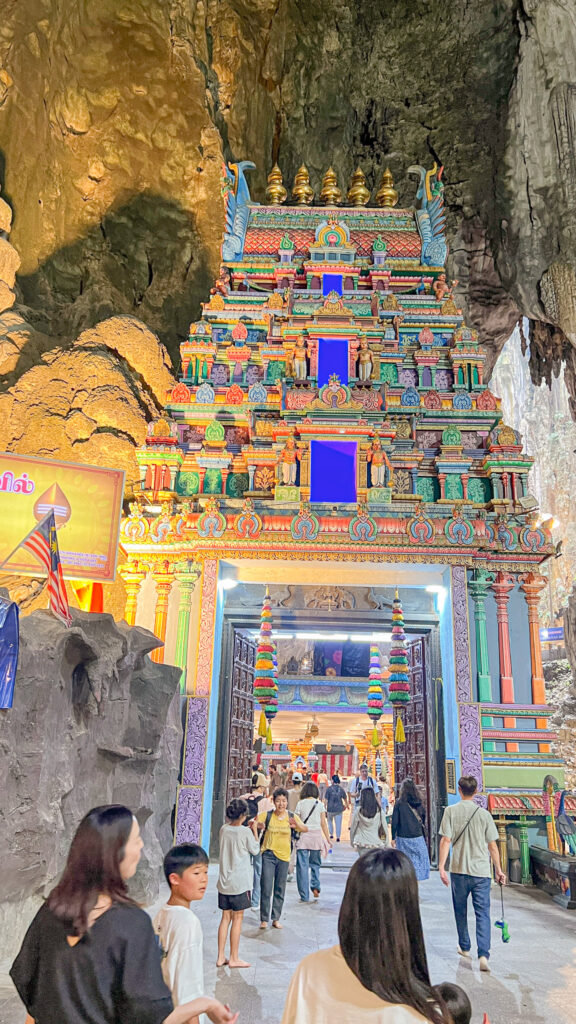
Cathedral Cave itself — A vast limestone cavern with Hindu shrines, statues, and active places of worship inside. The scale of the cave is surprising even if you’ve seen the photos — the ceiling height is extraordinary.
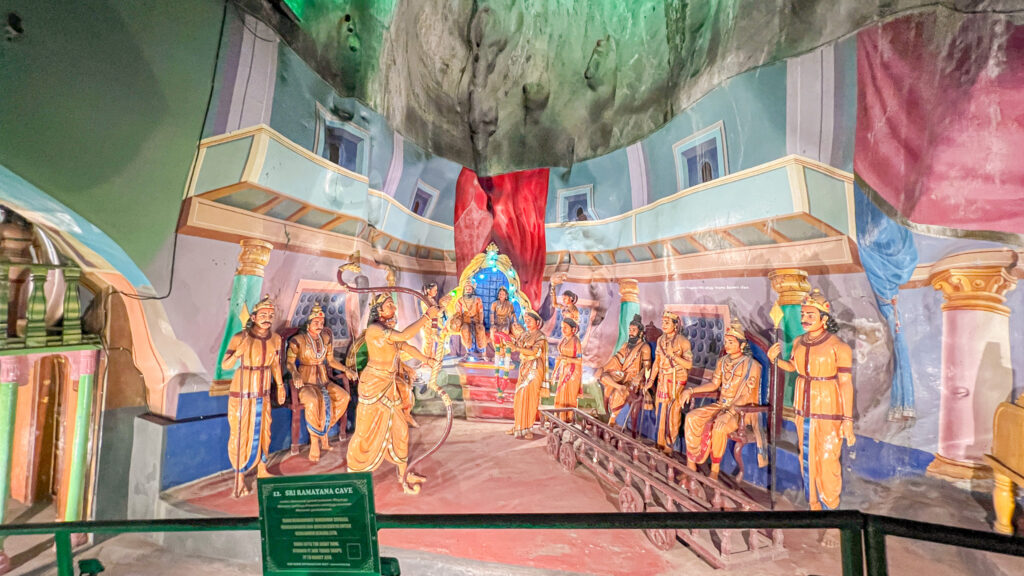
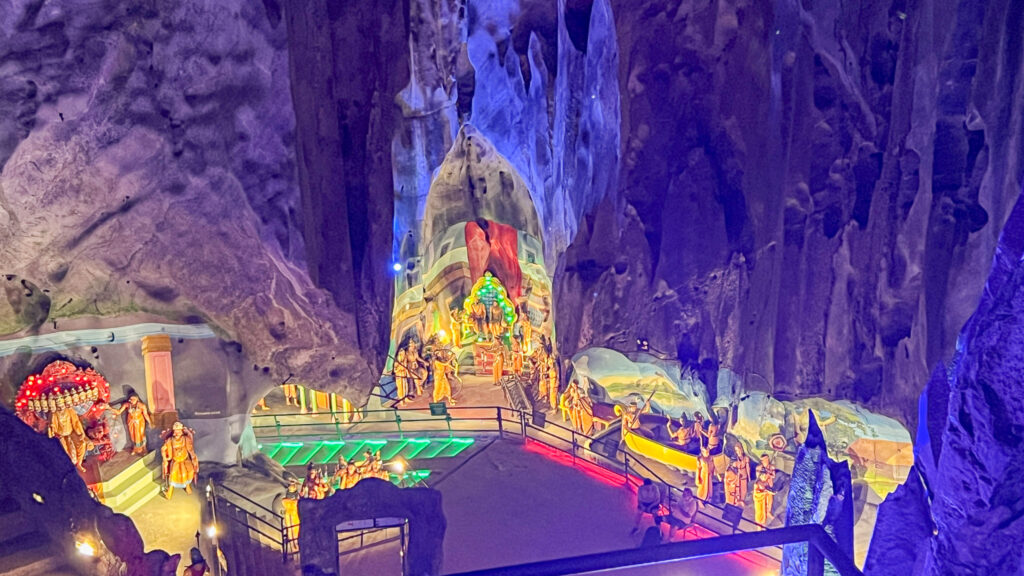
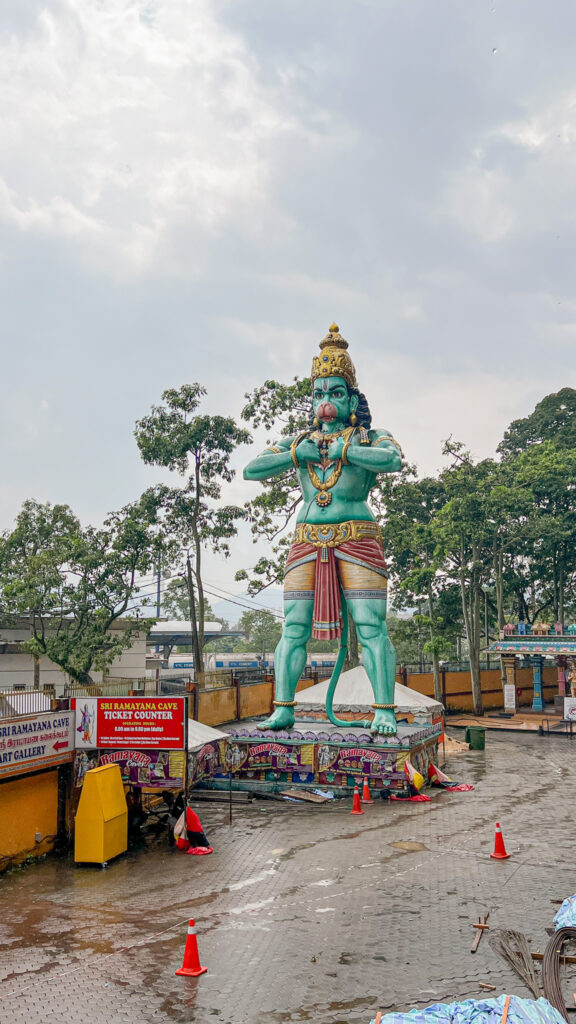
The Ramayana Cave — A separate cave with dioramas depicting scenes from the Hindu epic Ramayana. Worth visiting if time allows — it’s less crowded than Cathedral Cave and the displays are genuinely interesting.
The macaques — Grey macaques live throughout the cave complex. They’re used to humans and will approach if you have food visible. More on this in the tips section.
One reviewer’s tip that came up repeatedly: “Visit early in the morning before it becomes too warm. Prepare to spend at least 2–3 hours at Batu Caves.” The tour handles the timing, but it’s worth knowing that midday at Batu Caves in Malaysian heat is significantly less enjoyable than morning.
3. The 272 Steps — What You Need to Know Before You Go
This comes up in almost every review — so let’s address it directly.
The climb: 272 steps. No elevator. The steps are steep in places. In Malaysian heat and humidity, it’s a workout. Most able-bodied visitors complete it without issue, but it takes 10–20 minutes and you will sweat.
For visitors with mobility concerns: There are small coffee shops and souvenir stalls at the base of the cave where you can wait comfortably while others climb. You don’t have to do the stairs to see the statue and the lower cave area.
For families with children: Multiple reviewers have done this with young children. It’s doable, just allow more time and go at a slower pace.
One important warning from reviews: “Do not wear earrings to Batu Caves because of the monkeys.” The macaques are opportunistic and have been known to grab shiny objects. Keep jewelry, sunglasses, and visible food secured.
Dress code: Both the Hindu temples at Batu Caves and the National Mosque later in the tour require covered shoulders and knees. Sarongs are available at the cave entrance if needed — but dressing appropriately from the start is easier.
👉 Book the Batu Caves day tour on Klook
4. Cultural Stops — Pewter Factory, Batik, City Landmarks
Royal Selangor Pewter Factory Malaysia is the world’s largest producer of pewter — and Royal Selangor is the most famous name in Malaysian pewterware. The factory visit includes a look at the production process and a showroom. Reviews are consistently positive on this stop — “Good insights from the tour guide, good stops at the Pewter factory” — and it’s a genuinely interesting glimpse into a craft that’s central to Malaysian cultural exports.
Batik Factory A stop at a traditional batik workshop — Malaysia’s famous hand-dyed fabric tradition. You can watch the process and browse the products. One reviewer who specifically mentioned wanting to find handmade batik described this as exactly what they’d been looking for.
KL City Landmark Stops: The tour covers KL’s main city landmarks by a combination of drive-by and short stops — King’s Palace, National Monument, National Mosque (stop with entry), Old Railway Station, Independence Square, KL Tower, and Petronas Twin Towers (photo stop).
This is a good orientation of the city for first-time visitors — you get a sense of KL’s geography and its mix of colonial, Islamic, and modern architecture in a single organized route.
5. What’s the Honest Verdict on the Tour Format?
Here’s where the honest picture gets more nuanced.
What works well:
- Hotel pickup is genuinely convenient
- The guide brings Batu Caves’ Hindu history to life in a way that makes the visit significantly richer
- The combination of city + caves + cultural factory stops covers a lot in one day
- Air-conditioned transport throughout is important in Malaysian heat
What to know before you book:
A small number of reviews mention feeling rushed at certain stops — particularly Batu Caves itself. The nature of a group day tour means time at each location is limited. If you want 2–3 hours at Batu Caves specifically, a private tour or self-guided visit might suit you better.
Some reviews also mention driver-initiated shopping stops that weren’t on the advertised itinerary — a common issue with some day tour operators. If this happens, you’re within your rights to ask the driver to stick to the advertised route.
Overall: For first-time KL visitors who want an organized introduction to the city and its surroundings in a single day, the tour delivers. For visitors who specifically want deep time at Batu Caves, a dedicated cave visit (30 minutes from KL Sentral by train) might be more satisfying.
6. How to Book + What to Know
Book through Klook — hotel pickup is included, confirmation is fast.
Important note for Thaipusam Festival period: During Thaipusam (usually January–February), Batu Caves attracts hundreds of thousands of pilgrims. The tour replaces the Batu Caves visit with Thean Hou Temple during this period. Check exact dates when booking if your visit falls near this window.
What to bring:
- MYR cash for entrance fees and personal purchases
- Covered shoulders and knees (or bring a scarf/sarong)
- Remove or secure earrings and visible jewelry before Batu Caves
- Comfortable walking shoes
- Sunscreen and water
Cancellation: Full refund available if cancelled at least 24 hours before the tour starts.
👉 Book the Batu Caves KL Suburbs Tour on Klook
FAQ
Q. Is Batu Caves worth visiting in Kuala Lumpur? A. Yes — it’s one of the most visually striking sites in Malaysia and unlike anything you’ll find in the city center. The golden statue, the rainbow stairs, and the scale of Cathedral Cave make it a genuinely memorable visit. Go early if possible.
Q. Can I visit Batu Caves without a tour? A. Yes — it’s accessible by KTM Komuter train from KL Sentral (about 30 minutes, very cheap). If you want to spend more time there than a group tour allows, the independent option gives you full flexibility.
Q. Are the 272 steps manageable? A. For most able-bodied visitors, yes — it takes 10–20 minutes and you’ll sweat, but it’s very doable. For visitors with mobility concerns, the base area (statue, lower caves) is accessible without climbing.
Q. Is the tour suitable for families? A. Yes — multiple reviewers have done it with young children. Just allow more time at the steps and keep an eye on kids around the macaques.
Q. What about the monkeys at Batu Caves? A. The grey macaques are everywhere and they’re opportunistic. Remove earrings and visible jewelry, secure your food, and don’t try to feed or provoke them. They’re a fun part of the atmosphere if you don’t give them a reason to be a nuisance.
Q. What happens if it’s Thaipusam season? A. The tour replaces Batu Caves with Thean Hou Temple during the Thaipusam Festival period. Check the Klook listing for exact dates if your visit falls in January–February.
✨ Honest Tips Before You Go
▶ Remove earrings and secure jewelry before Batu Caves. This comes up in reviews consistently enough to be taken seriously. The macaques go for shiny objects. Don’t find this out the hard way.
▶ Dress for temples from the start. Covered shoulders and knees are required at both Batu Caves’ Hindu temples and the National Mosque. Dressing appropriately from the morning means you’re not fumbling with scarves at every stop.
▶ Don’t visit Batu Caves in the middle of the day if you can help it. The tour handles timing, but midday heat on 272 steps in Malaysian humidity is genuinely brutal. Morning visits are significantly more comfortable.
▶ Bring MYR cash. Entrance fees at some stops, personal purchases at the factories, water — cash is useful throughout the day.
▶ The Ramayana Cave is worth visiting if time allows. Less crowded than Cathedral Cave and the dioramas depicting Hindu mythology are genuinely interesting. Ask your guide if there’s time to include it.
▶ Ask your guide questions. The Hindu history of Batu Caves, the significance of the Lord Murugan statue, the Thaipusam festival tradition — a good guide turns this from a photo stop into something you’ll actually remember. Use the access you have.
Ready to see what’s at the top of those rainbow steps?
👉 Book the Batu Caves & KL Suburbs Tour on Klook here
Hope this helped you plan your KL day!
If this post was useful, feel free to save or share it. 🙏
See you in Kuala Lumpur, Aeri ✈️