This post contains affiliate links. If you book through these links, I may earn a small commission at no extra cost to you.
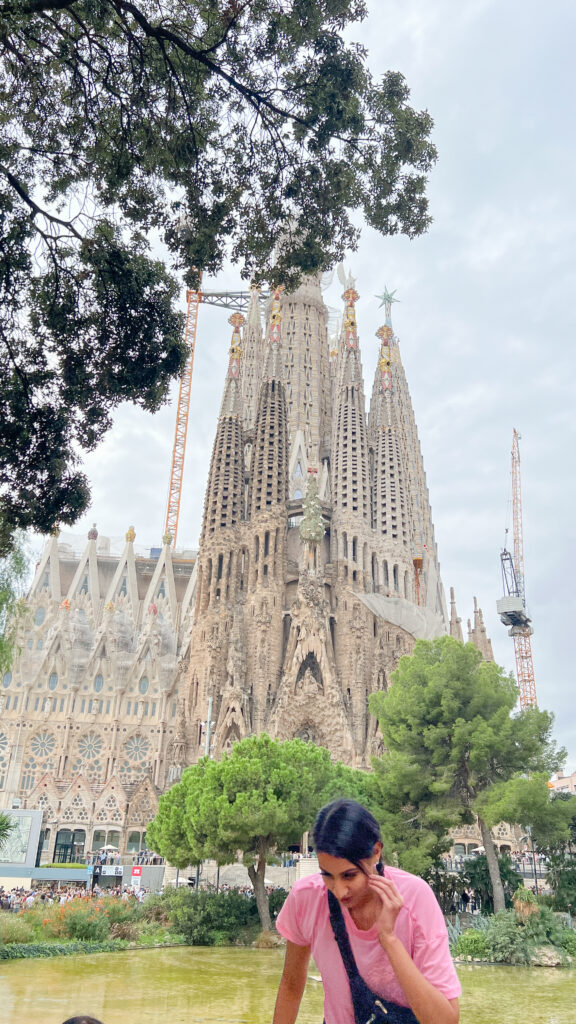
I Finally Visited Sagrada Familia — Here’s What Nobody Tells You Before You Go
There’s a moment that happens to almost everyone who visits Sagrada Familia for the first time.
You walk in through the entrance, expecting something impressive — you’ve seen the photos, you know it’s famous, you’re prepared.
And then you look up.
And nothing you prepared actually prepared you for this.
The columns branch overhead like a stone forest. The stained glass on the east wall turns morning light into something you don’t have words for. The scale makes you feel genuinely small — and somehow, that feels exactly right.
Here’s everything you need to know before you go — including what’s different in 2026 that makes this the most significant year to visit since the foundation stone was laid in 1882.
This is for you if…
- ▶ You’re visiting Barcelona and trying to figure out which Sagrada Familia ticket to buy
- ▶ You want to know whether the tower is worth the extra cost
- ▶ You’re planning to visit in 2026 and want to know what’s different this year
- ▶ You want the honest truth about crowds, timing, and what to expect inside
- ▶ You want to know why 2026 specifically is a once-in-a-generation moment to visit
Table of Contents
- Why 2026 is the most significant year to visit Sagrada Familia
- Ticket types — which one should you actually buy?
- Are the towers worth it?
- The interior — what it’s actually like
- Best time to visit and timing tips
- The 2026 centenary surcharge — what to know
- Important rules before you go
- How to book on Klook
- FAQ
- Honest tips before you visit
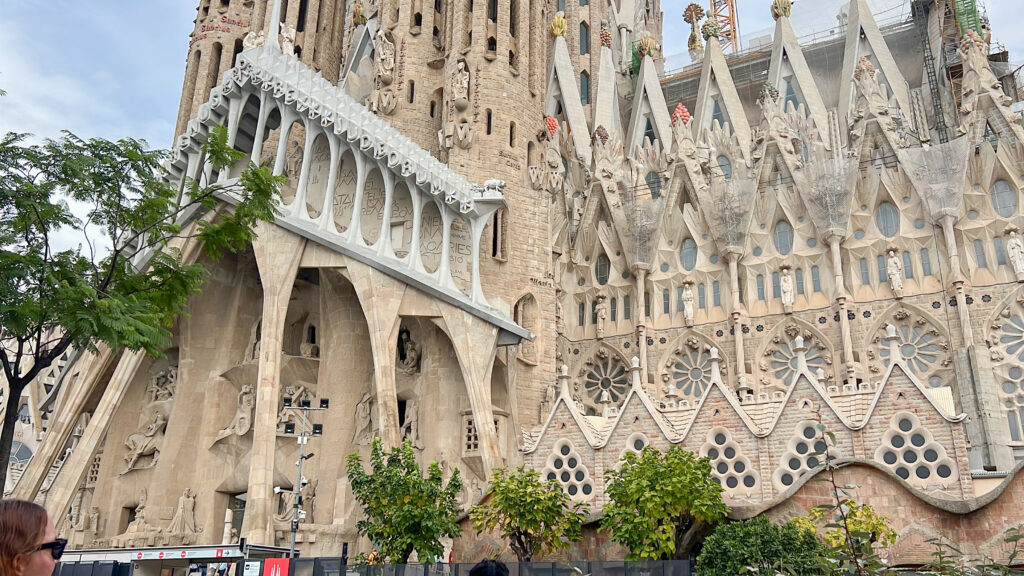
1. Why 2026 Is the Most Significant Year to Visit Sagrada Familia
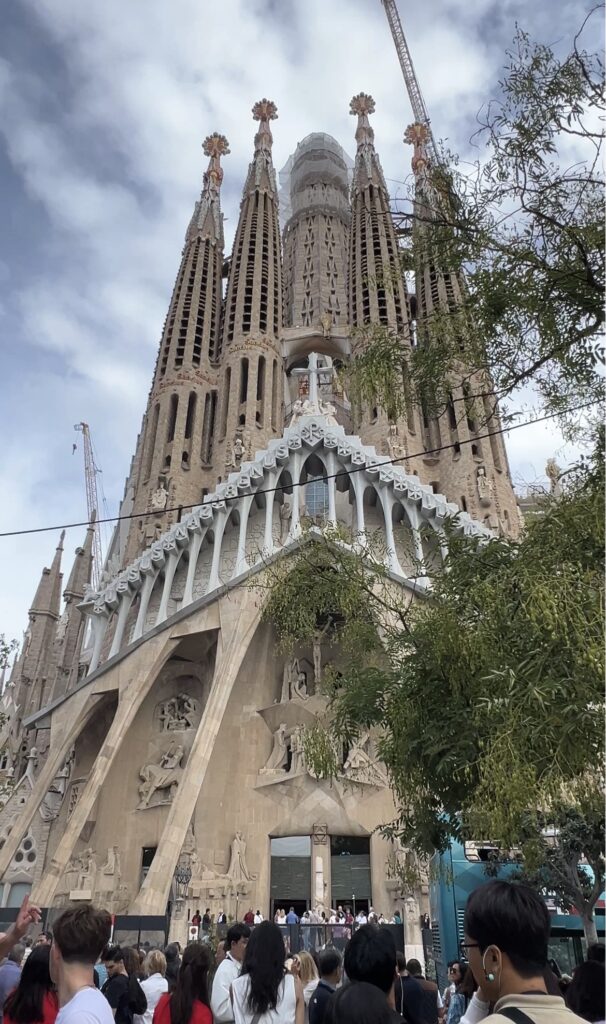
In 2026, the Tower of Jesus Christ — at 172.5 meters, the central tower of the basilica — reached its full height and was officially inaugurated on June 10, 2026. That date marks exactly 100 years since Antoni Gaudí’s death.
What this means: for the first time in 144 years of construction, all six central towers of Sagrada Familia are complete. The building now has the silhouette Gaudí designed.
Let that sink in. Construction began in 1882. Gaudí died in 1926, having worked on it for 43 years. Generations of architects, craftspeople, and builders continued his vision across 14 decades. And in 2026, the towers he sketched are finally standing at their full height.
If you’ve ever thought about visiting Barcelona — this is the year. Not because the basilica is “finished” (the Glory Facade still needs decades of work), but because what exists now is astonishingly close to what Gaudí intended, and this moment only happens once.
One practical consequence of this: 2026 visitor numbers are projected to reach 7 million. Tickets sell out weeks in advance. Book as early as possible.
👉 Check availability and book Sagrada Familia tickets on Klook
2. Ticket Types — Which One Should You Actually Buy?
There are four main options, and the right choice depends on what you want from the visit.
Basic Entry (self-guided, ~€26) Entry to the basilica with an audio guide app on your phone. No live guide, no tower access. The right choice if you’re comfortable exploring independently and want maximum flexibility in timing and pace. The audio guide is genuinely good — worth downloading even if you don’t upgrade.
Basic Entry + Tower Access (~€46) Same as above, plus elevator up to either the Nativity or Passion Tower with panoramic views over Barcelona. Towers require a separate timed slot — book both at the same time. More on whether this is worth it below.
Guided Tour (~€69) A 50-minute guided tour with a licensed specialist, headset audio, and skip-the-line entry. The guide covers Gaudí’s architectural symbolism, the construction history, and the details you’d miss on your own. Multiple reviewers describe this as the choice that transformed their visit from impressive to genuinely moving.
Guided Tour + Tower (~€89+) The complete experience — guided tour plus tower access. The premium option for first-time visitors who want to understand everything they’re seeing.
My honest recommendation:
For a first visit — at minimum, the guided tour. The interior of Sagrada Familia is dense with symbolism and meaning that you can’t fully appreciate without context. A guide who explains why the columns branch the way they do, what the stained glass colors represent, and what Gaudí’s actual vision was — that transforms the experience.
“The tour is totally worthy. The guide knew a lot and improved the visit a lot more, showing every detail worth seeing and putting it in context.”
3. Are the Towers Worth It?
Honest answer: it depends on what you’re after.
Nativity Tower (east side) Gaudí’s original work — intricate organic sculptural detail on the facade, with city views to the east and northeast. The better tower for those interested in Gaudí’s craft and the building’s architecture at close range.
Passion Tower (west side) Designed by sculptor Josep Maria Subirachs in stark, angular 20th-century style — deliberately different from Gaudí’s organic forms, representing grief and suffering. Better for panoramic city views — Tibidabo, Montjuïc, and the Eixample grid spreading below.
What the towers involve: Elevator up, short time on the outdoor walkway between towers, descent via a long spiral staircase that some reviewers describe as “claustrophobic.” Not suitable for visitors with mobility issues or strong fear of heights.
The honest verdict:
If you care about views over Barcelona — yes, worth it. If you’re primarily interested in the architecture and interior — the basilica itself is the main event, and you can get city views elsewhere (Santa Maria del Pi in the Gothic Quarter, for example).
Important: Tower tickets sell out before standard entry. If you want towers, add them when booking — don’t assume you can add on arrival.
👉 Book Sagrada Familia tickets with tower access on Klook
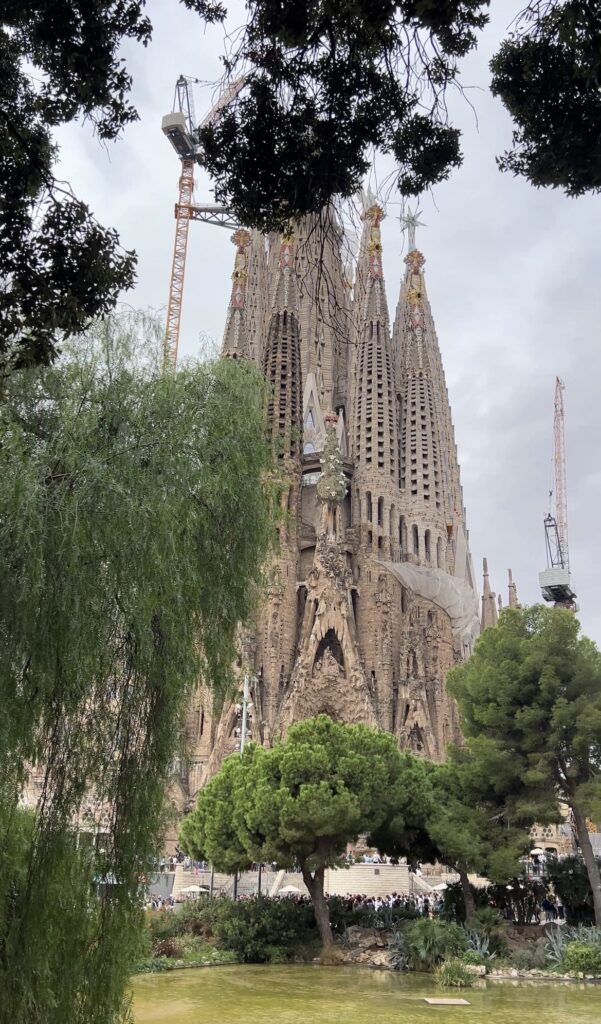
4. The Interior — What It’s Actually Like
Photos do not prepare you for this.
The columns branch overhead in a pattern Gaudí derived from studying trees — the structural logic of how a forest supports its canopy, translated into stone. The ceiling is not a flat vault. It’s a living geometry that changes as you move through the space.
The stained glass is organized by color direction: the eastern windows are cool blues and greens (morning light), the western windows are warm reds and oranges and yellows (afternoon fire). Gaudí designed this deliberately — the light changes throughout the day, and the interior changes with it.
The best time to experience the interior:
- Morning (9:00–10:00 AM): Blue and green morning light from the east, cooler temperatures, fewer people
- Late afternoon (4:00–6:00 PM): The western windows come alive in red and orange — the most photographed interior light effect
Gaudí’s tomb: In the crypt beneath the nave. A simple stone slab. His cause for beatification has been open with the Vatican since 2003. Standing at his tomb, looking up through the columns he never saw finished, is described by multiple visitors as the emotional center of the whole visit. Save it for last.
5. Best Time to Visit and Timing Tips
Arrival time: 9:00 AM is the best slot (10:30 AM on Sundays due to morning mass). The first 20 minutes are significantly less crowded than any other point in the day.
Avoid 11:00 AM – 2:00 PM: This is when coach tours and cruise excursions arrive in mass — the floor becomes a slow-moving river of people, and getting unobstructed interior photos becomes nearly impossible.
Day of week: Weekdays are less crowded than weekends. Monday–Wednesday mornings are the most peaceful.
Season: June is particularly busy in 2026 due to the Gaudí centenary events — June 10 specifically (exact anniversary of his death) had high-security protocols and very limited tourist access. The period March–November requires the most advance booking.
6. The 2026 Centenary Surcharge
A surcharge of €2–€5 applies to all Sagrada Familia tickets in 2026, on top of regular ticket prices. The extra revenue goes toward the final construction stages.
This is not a scam — it’s an official temporary surcharge disclosed at booking. Just factor it into your budget when comparing prices.
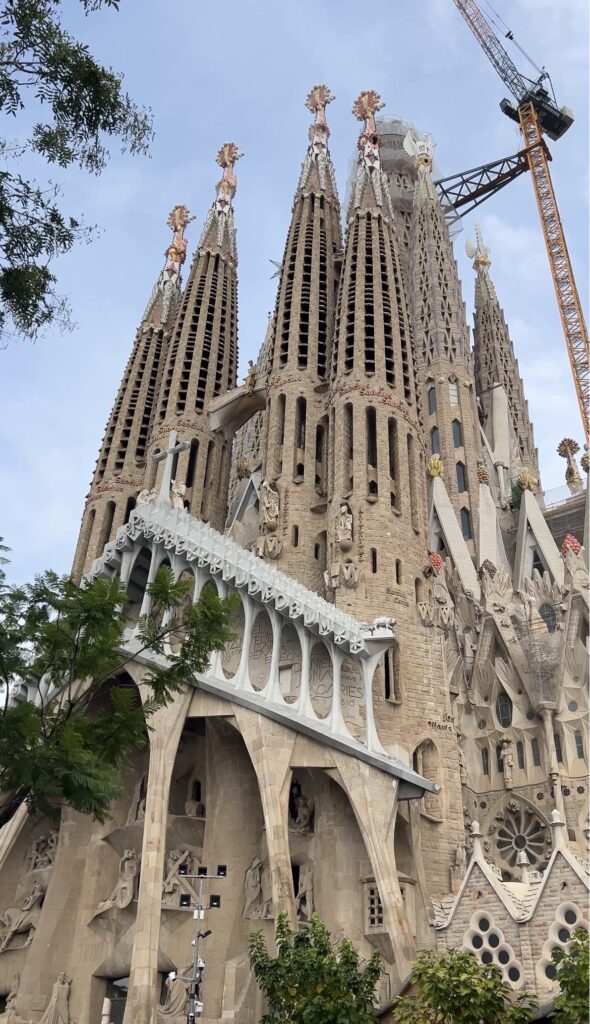
7. Important Rules Before You Go
Dress code: Clothing must cover mid-thigh or below. No see-through clothing, swimwear, or bare shoulders in the Chapel of the Holy Sacrament. Hats are not allowed inside the nave or museum except for religious or health reasons.
No tickets at the door: There is no physical ticket office. All tickets are sold exclusively online. No walk-ups. Many visitors are turned away daily because they expected to buy tickets on arrival.
Nominative tickets: All 2026 tickets require the ticket holder’s name and must match an official ID at entry. Bring your passport.
Children: Under 11 enter free but still need a reserved QR code — book one when you buy adult tickets.
Audio guide: Downloaded as an app on your own phone. Free WiFi available inside.
Photography: Allowed throughout, including the interior and towers. No flash in the Chapel of the Holy Sacrament.
8. How to Book on Klook
Book through Klook — straightforward process, QR code to your phone, skip the lines.
Opening hours:
- Standard season (April–September): 9:00 AM – 8:00 PM
- Winter (November–February): 9:00 AM – 6:00 PM
- Sunday: entry begins 10:30 AM due to morning international mass
How early to book: As early as possible in 2026. Months in advance for peak season (March–October). Tower slots fill before standard entry.
Cancellation: Generally non-refundable unless cancelled 48 hours in advance with proof of travel disruption — check specific terms on Klook when booking.
👉 Book Sagrada Familia Barcelona on Klook
FAQ
Q. Is Sagrada Familia worth visiting in 2026? A. Yes — and 2026 specifically is the most significant year to visit since construction began in 1882. The Tower of Jesus Christ reached full height and was inaugurated on June 10, 2026. The six central towers are complete for the first time. If you’ve ever thought about going, this is the year.
Q. Can I buy tickets at the door? A. No — there is no physical ticket office. All tickets are sold online only. Visitors who arrive without tickets are turned away. Book online before you go.
Q. Which ticket should I get for a first visit? A. At minimum, a guided tour — the architectural symbolism and Gaudí’s vision are dense enough that a guide transforms the experience from “impressive building” to something genuinely moving.
Q. Is the tower worth the extra cost? A. Yes if you want city views and close-up facade detail. No if you’re primarily focused on the interior and architectural experience — the basilica itself is the main event.
Q. How long should I plan for the visit? A. 1.5 hours minimum for basic entry. 2 hours if doing a guided tour or tower visit. More if you want to linger, visit the museum, and spend time in the crypt.
Q. What’s the best time to visit for photos? A. Late afternoon (4:00–6:00 PM) for the red and orange light through the western stained glass windows. Early morning (9:00 AM) for blue morning light and fewer people.
Q. Is the Tower of Jesus Christ open to visitors? A. As of mid-2026, the interior viewing gallery of the central tower is not yet open to the public. The Nativity and Passion towers are open.
✨ Honest Tips Before You Visit
▶ Book as early as possible. 2026 is the centenary year. 7 million visitors projected. Tower slots sell out before standard entry. Don’t leave this to the last minute.
▶ Arrive at the 9 AM opening slot. The first 20 minutes are genuinely less crowded. You can photograph the interior without a sea of heads in every frame, and the morning light through the eastern glass is different from any other time of day.
▶ Visit Gaudí’s tomb last. It’s in the crypt, accessible from the nave. Standing at his simple stone slab beneath the unfinished columns he devoted his life to — that’s the emotional center of the visit. Don’t rush past it.
▶ Look up constantly. The ceiling is the point. The forest of columns, the branching geometry, the way natural light changes the interior throughout the day — you’re here for this.
▶ If you’re on a tight schedule, the guided tour actually saves time. A guide takes you through the most important elements efficiently. Self-guided visitors can spend time in the wrong places without context.
▶ Late afternoon for the west windows. The red and orange “fire” light through the Passion side windows between 4:00 and 6:00 PM is the most extraordinary interior lighting moment. Worth timing your visit around if photos matter to you.
▶ Bring your passport. All 2026 tickets are nominative — your name on the ticket must match your ID at security. No passport, no entry.
This is one of the most extraordinary buildings in the world. In 2026, it’s at a historic milestone. Book early and go.
👉 Book Sagrada Familia tickets on Klook here
Hope this helped you plan your Barcelona visit!
If this post was useful, feel free to save or share it. 🙏
See you in Barcelona, Aeri ✈️