This post contains affiliate links. If you book through these links, I may earn a small commission at no extra cost to you.
New Camellia Ferry: Busan to Fukuoka — Is the Overnight Ferry Actually Worth It?
There’s a ferry between Busan and Fukuoka that calls itself a “hotel floating on the sea.”
That’s either excellent marketing or a genuine description of the experience — and after going deep into the reviews and what’s actually on board, the answer is somewhere in the middle.
The New Camellia by Camellia Line is one of the most popular ways to cross between South Korea and Japan — not because it’s the fastest (it’s definitely not), but because it turns a border crossing into an experience. Onboard spa, duty free shopping, karaoke room, restaurant, and a choice of cabin accommodation ranging from shared dormitory to Royal Suite with a private sea-view balcony.
Here’s the complete honest guide before you book.
This is for you if…
- ▶ You’re planning to travel between Busan and Fukuoka and want to know if the ferry is worth it versus flying
- ▶ You want to understand the difference between the daytime and overnight routes
- ▶ You’re trying to choose a cabin type without overpaying
- ▶ You want to know what’s actually on board and what the experience is like
- ▶ You need to know about the immigration requirements before you board
Table of Contents
- What is the New Camellia and what makes it different?
- The two routes — daytime vs overnight
- Cabin types — which one should you choose?
- What’s on board
- Ferry vs flight — which should you take?
- Important immigration information
- How to book on Klook
- FAQ
- Honest tips before you sail
1. What Is the New Camellia and What Makes It Different?
The New Camellia is operated by Camellia Line — a joint venture between Japan NYK and Korea’s Koryo Shipping. The name comes from the Camellia flower, which is the city flower of both Busan and Fukuoka — a detail that gives the ferry a kind of symbolic role as a bridge between the two cities.
It runs one round trip daily between Hakata Port in Fukuoka and Busan International Ferry Terminal — one sailing in each direction per day, six days a week.
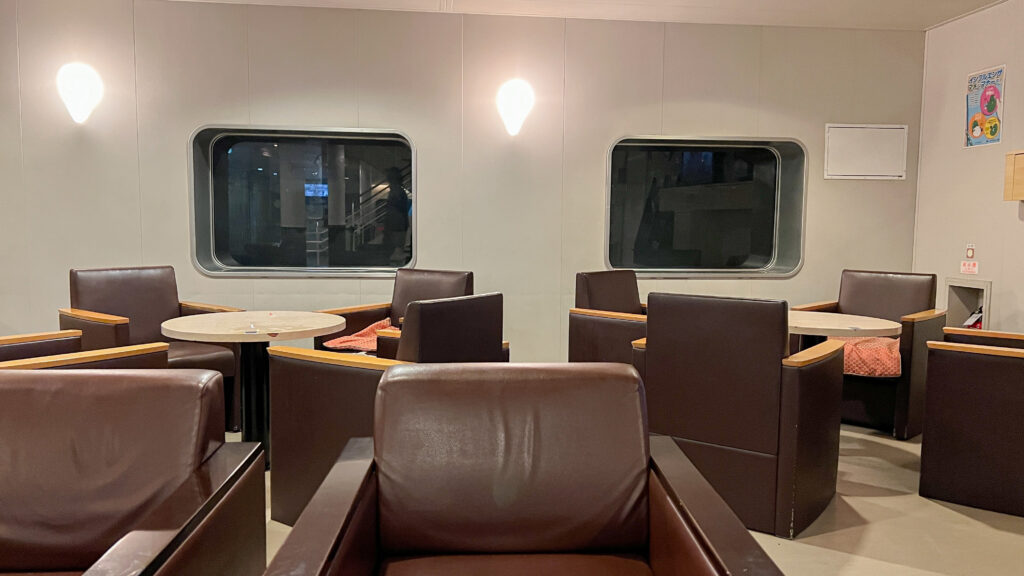
What makes it different from just crossing by ferry is the onboard experience: this isn’t a utilitarian transport vessel. It’s built around the idea of the voyage itself being enjoyable — with a genuine range of amenities and accommodation options that make the crossing feel like a mini-cruise rather than just getting from A to B.
Prices start from around $46 per person for shared accommodation, making it one of the more affordable ways to do the Korea-Japan route — especially if you time it as an overnight crossing that replaces a night of accommodation.
👉 Check current prices and availability on Klook
2. The Two Routes — Daytime vs Overnight
This is the first decision to make, and it changes the experience significantly.
Fukuoka (Hakata) → Busan: Daytime sailing
- Departs Hakata Port at 12:30 PM
- Arrives Busan at approximately 5:30–6:00 PM
- Journey time: approximately 5.5–6 hours
- You travel in daylight — ocean views throughout
- Good for those who want the scenic crossing experience
Busan → Fukuoka (Hakata): Overnight sailing
- Departs Busan at approximately 8:00–9:00 PM
- Arrives Hakata Port at approximately 6:00–7:30 AM
- Journey time: approximately 7.5 hours
- You sleep on the crossing — saves a night of accommodation
- Good for those who want to maximize their days in each city
Which should you choose?
The overnight Busan → Fukuoka direction is the more popular choice for travelers optimizing their trip. You leave Busan in the evening after a full day of sightseeing, sleep on the crossing, and arrive in Fukuoka in the morning ready to start exploring — without losing a day to travel or paying for an extra night of accommodation.
The daytime Fukuoka → Busan direction is better if you specifically want to enjoy the ocean views, or if you’re departing Fukuoka early in the day and want to arrive in Busan with the afternoon ahead of you.
3. Cabin Types — Which One Should You Choose?
The New Camellia’s cabin range is one of its strongest features — genuinely something for every budget.
Economy / Second Class (Shared room) The budget option — shared dormitory-style sleeping area with floor mats or bunk beds depending on availability. Clean, functional, and the choice of most backpackers. Groups of 3–5 people are generally easier to accommodate in shared rooms.
Standard Cabin Private or semi-private cabin with beds rather than dormitory sleeping. A significant step up in comfort for a moderate price premium. Good option for couples or travelers who want their own space without paying premium rates.
Deluxe Cabin More spacious private cabins with better amenities. Worth considering for overnight crossings if comfort is a priority.
Royal Suite The premium option — private cabin with a terrace balcony and sea views. For those who want the full “hotel on the sea” experience. Not cheap, but genuinely a different class of crossing.
Honest recommendation: For the overnight crossing, the standard cabin is the sweet spot for most travelers — private space, proper bed, and a much better experience than arriving exhausted after a night on a shared floor mat. The price difference from economy to standard is often worth it for a night crossing.
👉 Compare cabin options and prices on Klook
4. What’s On Board
This is where the New Camellia earns its “hotel on the sea” description — at least in terms of what’s available.
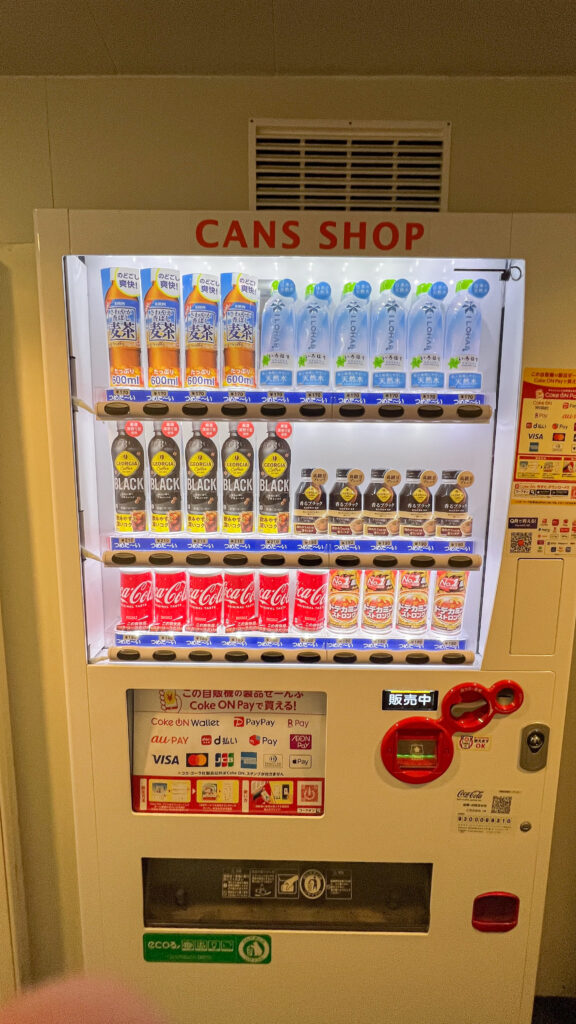
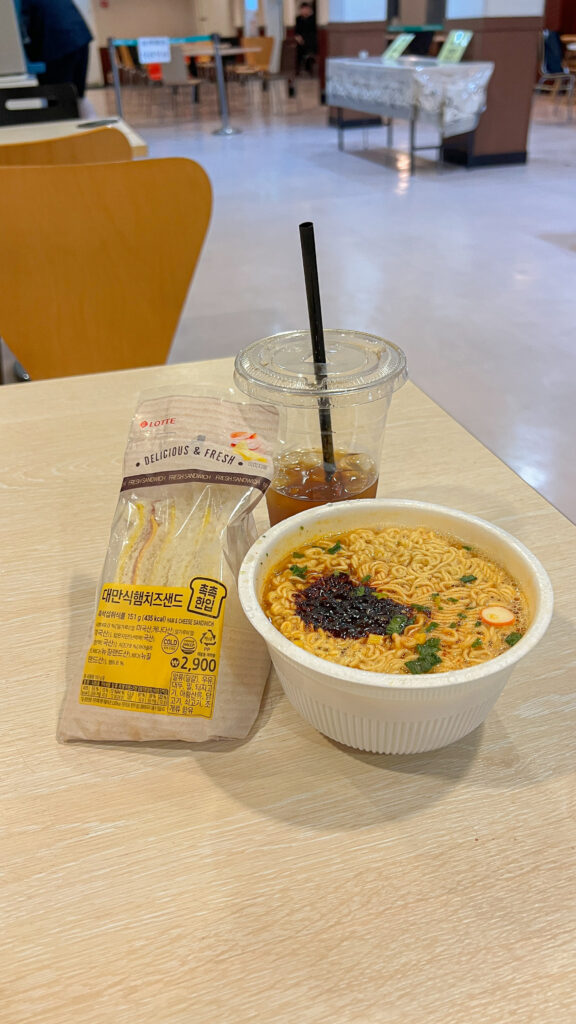
Restaurant Japanese, Korean, and Western meals available on board. One honest note from reviews: opening hours are not always consistent — there have been reports of the restaurant being closed when passengers expected it to be open, particularly on the overnight sailing. Bring snacks and cash just in case — the vending machines only take cash and can run out during busy sailings.
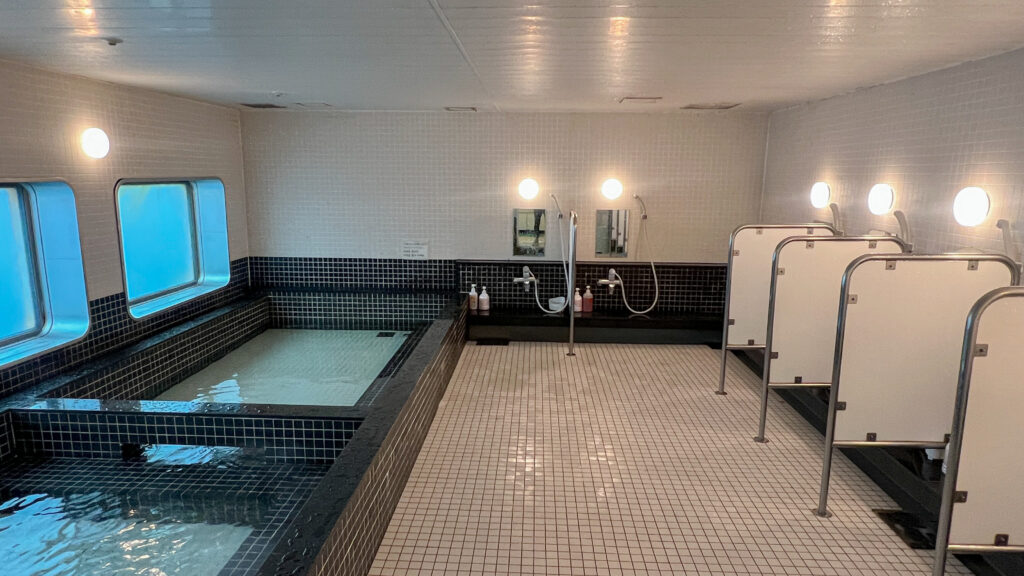
Observatory Spa Bath An open-air spa bath with sea views — one of the more unique features of the crossing. The spa is available for a surcharge and needs to be timed around the crossing schedule. Worth doing on the daytime crossing when you can actually see the ocean.
Duty Free Shop Standard duty free selection — alcohol, cosmetics, and souvenirs at tax-free prices. Popular with passengers making the Korea-Japan crossing specifically to shop.
Games Room Arcade-style games room for entertainment during the crossing.
Karaoke Room Private karaoke rooms available on board — a distinctly Korean addition that gets enthusiastic use from Korean passengers especially.
Outdoor Deck Open-air deck for watching the ocean and taking photos. On clear days, the views of the Korea Strait are genuinely beautiful.
5. Ferry vs Flight — Which Should You Take?
This is the real question, and it depends entirely on what you’re optimizing for.
Choose the New Camellia ferry if:
- You want to turn the journey itself into an experience
- You’re doing the overnight crossing and want to save an accommodation night
- You have luggage — no weight limit for foot passengers (a significant advantage over flying)
- You enjoy the pace of sea travel and ocean views
- You want duty free shopping on the crossing
Choose to fly if:
- Time is the absolute priority
- You’re traveling on days the ferry doesn’t run
- You specifically need to arrive at a precise time
The honest verdict: The New Camellia is not for everyone — the crossing is 6–7.5 hours depending on direction, and some reviews from travelers expecting more found it underwhelming. But for those who approach it as an experience rather than just transportation — particularly on the overnight crossing — it consistently delivers something that flying simply can’t.
One traveler who took the ferry specifically to experience slow travel described it as “giving up the fast option to experience the taste of traveling slowly” — and that’s the right mindset for this crossing.
6. Important Immigration Information
For entry to Korea (from Japan): Most nationalities from 22 countries including Japan, USA, UK, Australia, Singapore, and others are exempt from K-ETA for short stays under 90 days until December 31, 2026. An Entry Declaration Form is required — distributed at Hakata Port and on board.
For entry to Japan (from Korea): Fast Track through Visit Japan Web is no longer required. However, multiple reviews mention that immigration landing cards were NOT distributed on board and passengers were not informed they needed to complete registration on Visit Japan Web before arrival — causing delays at immigration in Fukuoka.
Do this before you board: Register on the Visit Japan Web website and have your QR code ready on your phone before arriving at Hakata Port immigration. Don’t rely on the ship to inform you of this requirement.
7. How to Book on Klook
Book through Klook — choose your direction, date, and cabin type.
Schedule summary:
- Fukuoka → Busan: Departs 12:30 PM, arrives ~5:30 PM (daytime)
- Busan → Fukuoka: Departs ~8:00–9:00 PM, arrives ~6:00–7:30 AM (overnight)
- Runs 6 days per week — check specific dates when booking
Luggage:
- No weight limit for hand-carried luggage on board
- Checked luggage: JPY 800 for up to 20kg, JPY 300 per additional 10kg
Children:
- Ages 0–1 must be accompanied by a paying adult
Cancellation: Check specific terms on Klook when booking — policies vary by cabin type and date.
👉 Book the New Camellia Ferry on Klook
FAQ
Q. How long does the New Camellia ferry take? A. Fukuoka to Busan (daytime): approximately 5.5–6 hours. Busan to Fukuoka (overnight): approximately 7–7.5 hours. Journey times can vary slightly depending on sea conditions.
Q. Is the New Camellia ferry worth it vs flying? A. If you approach it as an experience — especially the overnight crossing — yes. If you’re purely optimizing for speed, flying is faster. The no-luggage-weight-limit advantage is significant for travelers with heavy bags.
Q. Do I need to register on Visit Japan Web? A. Yes — register and have your QR code ready before arriving at Hakata immigration. The ship does not always distribute immigration landing cards or inform passengers of this requirement, which has caused delays for unprepared travelers.
Q. Which cabin should I book for the overnight crossing? A. Standard cabin is the sweet spot for most travelers — private space and a proper bed make the overnight crossing genuinely restful. Economy shared rooms are fine for budget travelers who can sleep anywhere.
Q. Is there food on board? A. Yes — a restaurant, vending machines, and duty free snacks. However, bring your own snacks and cash as backup. The restaurant’s opening hours are not always consistent, vending machines are cash-only and can run out, and you don’t want to arrive hungry.
Q. Can I bring a car on the ferry? A. No — the New Camellia does not currently accommodate passenger vehicles between Fukuoka and Busan.
✨ Honest Tips Before You Sail
▶ Register on Visit Japan Web before you board. This is the most important practical tip — don’t rely on the ship to tell you. Have your QR code ready on your phone before you reach Hakata Port immigration.
▶ Bring cash and snacks. The vending machines are cash-only and can run out. The restaurant may not be open when you expect. Being self-sufficient with snacks for the crossing removes this stress entirely.
▶ Book the overnight Busan → Fukuoka direction if you want to maximize your time. Leave Busan after a full day, sleep on the crossing, wake up in Fukuoka. You save an accommodation night and start your Japan leg fresh.
▶ Upgrade from economy to standard cabin for overnight crossings. The price difference is often not large, and arriving well-rested versus stiff from a floor mat is worth it.
▶ Try the observatory spa on the daytime crossing. The open-air spa with sea views is one of the New Camellia’s genuinely unique features — it’s worth doing when you can actually see the Korea Strait rather than darkness.
▶ Arrive at the port early. The recommended check-in time is 90 minutes before departure. Don’t cut this short — port check-in for an international crossing takes longer than expected, especially during busy periods.
▶ The duty free shop is worth browsing. Korean cosmetics and Japanese alcohol at tax-free prices — if you were planning to buy either in the cities, the on-board prices are competitive.
Ready to sail between two of Asia’s great cities?
👉 Book the New Camellia Ferry Busan ↔ Fukuoka on Klook here
Hope this helped you plan your Korea-Japan crossing!
If this post was useful, feel free to save or share it. 🙏
See you on the water, Aeri ✈️